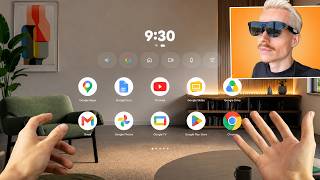
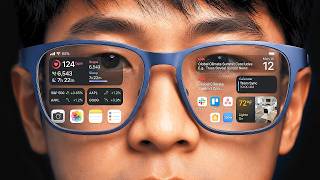
Spatial computing represents a transformative step in how humans interact with technology, pushing us past the 2d screen and moving beyond the confines of a traditional display into a fluid blend of digital and physical realities. This advanced technology enables digital content to not only appear in our physical space but also to understand and interact with it, creating a truly integrated experience.
What is Spatial Computing, and How Does It Reshape Our Interaction?
For years, technology has pushed us beyond flat screens, introducing new terms and experiences that sometimes blur. Understanding spatial computing begins with differentiating it from its predecessors: Virtual Reality (VR) and Augmented Reality (AR). Virtual Reality, or VR, is designed for complete immersion. When a user like Max Kahn puts on a VR headset, they are transported into an entirely different, virtual universe. Devices such as the Oculus Quest or experiences like The Void exemplify VR’s strength in providing an escape into a digital world, making it ideal for simulations or pure entertainment where real-world distractions are undesirable. VR Hand Tracking Reduces Friction to Accelerate Mainstream VR Adoption is an area that aims to improve this immersion further.
Augmented Reality, or AR, takes a different approach. It keeps us firmly rooted in our physical world while overlaying digital content. AR devices come in many forms, from notifications projected onto a car’s windshield to digital information displayed through specialized eyeglasses. You have likely encountered AR through popular apps like Pokemon Go, which overlays digital creatures onto real-world scenes. However, traditional AR simply projects content; it does not inherently understand or interact with the physical surroundings. To learn more about this, see What Is AR and How Augmented Reality Works.
Spatial computing raises this concept significantly. It augments reality but goes a substantial step further by understanding the physical space and allowing projected digital content to interact with its surroundings. This technology, facilitated by platforms like Magic Leap, essentially merges the digital world with the physical. So when opening up apps and placing them around a space, they will bang against furniture and naturally sit on top of surfaces; they’ll also stay where they’re placed in the room, and projections will also hide behind walls, fixtures, and furniture. This deep understanding of the environment and interactive capability is what fundamentally distinguishes spatial computing from simpler AR overlays. What Are Some Examples of AR in Daily Life? provides additional context on AR, but spatial computing marks a new frontier.
Where Does Spatial Computing Prove Its Value in Practice?
The practical applications of spatial computing span various sectors, from engaging entertainment to critical industrial uses. This technology moves beyond novelty, embedding digital interaction into the fabric of our physical lives.
In the area of gaming, spatial computing offers dynamic and interactive experiences. Consider Boosters, a rocket flying game from WeDo workshop. This game exemplifies how digital elements can meaningfully interact with the physical environment. The rocket interacts with your physical environment, so as you steer it close to walls and furniture, the heat reverberates off of them, and when I steer the rocket too close to objects in the room, the rocket explodes. When placing the launch pad down, the headset displays a mesh as it scans the room, but the game also meshes in real-time, so as I walk through the lofty apartment, the rocket continues to fly through previously unmatched areas. Theoretically, you can move from one side of a space like a showroom or a factory floor to the other end, and the rocket will continue to interact with your new surroundings.
Beyond entertainment, spatial computing finds powerful applications in productivity and enterprise settings. Manifest, an application by Tactile, showcases this utility. Manifest is being used as a way for employees to create and interact with digital content that’s overlaid onto physical objects. Employees can use spatial computing content and devices to more safely operate equipment, inspect and maintain it, or even undertake training on physical equipment through digital training modules to check for tire damage, the core abrasions. This kind of application streamlines complex tasks, offering immersive and interactive guidance directly within the workspace. As Justin_tech points out, “in my opinion this is the tech that will have the largest impact on society in the general public.” The potential for spatial computing in training is further explored in articles like AR Training: Boosting Engineering Efficiency with Immersive 3D.
Another creative spatial computing app is Create, which allows users to build worlds using characters, portals, and building blocks. All the characters interact with your space and each other; they’ll even interact with you like this cute little bot that needs my help getting off the couch. This hints at a future where digital constructs could evolve from simple bots to complex buildings or even fully interactive simulations like Rollercoaster Tycoon, integrated into our homes and environments. The ability to place and interact with digital constructs within physical space, making them aware of their environment, opens new avenues for design, education, and social interaction. I could easily see this being used one day at home when I’m building IKEA furniture, with digital instructions overlaid directly onto the components and virtual assistance available in real-time.
What To Actually Do
To fully grasp and engage with spatial computing, individuals and businesses should recognize its fundamental departure from mere digital display. This technology requires a shift in mindset, understanding that digital content is no longer confined to a screen but is an active participant in our physical world. For developers and innovators, the opportunity lies in creating applications that leverage this deep environmental understanding, crafting experiences that are not just overlaid but truly integrated and interactive. Experiment with existing platforms that support spatial computing to explore its capabilities for gaming, creative expression, or industrial efficiency.
For the general public, observing the evolution of spatial computing means anticipating a future where digital information and interactions become more intuitive, integrated, and natural, smoothly blending with our everyday lives and physical spaces. As this technology matures, its influence will expand beyond early adopter niches, fundamentally reshaping how we work, learn, play, and connect with the world around us.