The rapid expansion of artificial intelligence relies heavily on a specialized network of data centers. These facilities demand immense energy and physical space. This creates major pressure on existing infrastructure and utilities. The future growth of AI innovation depends on addressing these fundamental resource bottlenecks.
The Growing Footprint of AI Data Centers
The drive to build out advanced artificial intelligence abilities is leading to the development of increasingly massive data centers. These facilities are specifically designed to house the powerful computing hardware needed for training and running complex AI models. A proposed data center in West Bank, Ohio, serves as a prominent example of this trend. Discussions involving major technology players like Nvidia and OpenAI highlight the ambition behind such projects. This particular facility is seen as a leading indicator for the scale of AI infrastructure development. It could potentially become one of the largest data centers globally. The sheer size and complexity of these new facilities underscore the large physical footprint required to support advanced AI. These centers are not just larger; they are fundamentally different in their design and operational needs compared to traditional data centers.
Energy Demands and Grid Strain
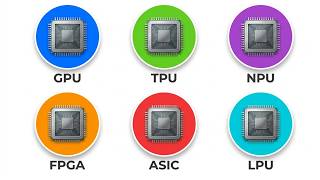
Powering these next-generation AI data centers presents a major challenge. The specialized graphics processing units (GPUs) and other components used in AI workloads consume far more electricity than typical data center equipment. GPUs are designed for parallel processing, which is excellent for AI, but generates large heat and requires constant, high power input. This intense power requirement places considerable strain on local and regional electricity grids. Utilities must invest heavily in upgrading their infrastructure to meet this escalating demand. This can involve building new power plants or enhancing transmission and distribution abilities. Such projects often have long lead times.
The need for a speedy build-out of AI infrastructure directly translates into an urgent need for reliable and abundant energy sources. Without sufficient power, the expansion of AI computing capacity will face severe limitations. This energy demand also raises questions about sustainability and the carbon footprint of AI development. Securing adequate power is now a primary concern for any company planning a large-scale AI data center.
Market Investment and Strategic Partnerships
Major technology companies are making large investments in this AI infrastructure boom. Hyperscalers, which are the large cloud service providers, are key players driving much of this market activity. Their capital expenditure decisions are closely watched by the industry. These decisions dictate much of the demand for data center components and services. Companies like Nvidia, a leading provider of AI chips, are actively involved in supporting the development of these facilities. For example, Nvidia has been in discussions to support OpenAI with a lease for its Ohio data center. This shows a direct link between hardware manufacturers and AI developers in building out the necessary infrastructure.
However, these strategic partnerships and investment patterns also raise questions within the market. There is a discussion about the “circular nature” of some deals involving major AI hardware providers and AI development companies. This situation has raised “red flags” for some observers. They question the sustainability or transparency of these financial arrangements. Such concerns suggest a need for careful scrutiny of how these large-scale AI infrastructure projects are funded and structured. It implies a potential for interconnected investments that might inflate perceived market strength or create dependencies.
Supply Chain Dynamics and Component Pressures
The rapid scaling of AI infrastructure has a direct impact on the technology supply chain. The demand for specialized chips, particularly GPUs and high-bandwidth memory components, is immense. However, the market for these components can be volatile. There have been reports of memory producers experiencing significant price drops. NAND pricing, for instance, has come under pressure. This situation is viewed by some as a potential “canary in the coal mine.” It suggests broader shifts or potential weaknesses in the component market.
These fluctuations in component pricing and availability can influence the capital expenditure plans of companies building AI data centers. If certain elements of the supply chain face downward pressure, it could affect the overall cost and pace of AI infrastructure development. This might lead to more cautious spending or a re-evaluation of investment strategies. The interplay between high demand for advanced chips and potential oversupply or price drops in other memory components creates a complex and sometimes nervous market environment for the technology sector. It highlights the interconnectedness of various tech segments.
Overcoming Foundational Bottlenecks
The ambitious build-out of AI infrastructure faces clear foundational bottlenecks. These relate to both energy and physical space. The need for massive amounts of power requires large upgrades to existing electrical grids. It also needs the development of new energy solutions. Similarly, finding suitable locations for data centers of unprecedented scale is a growing challenge. These locations must also have access to reliable power, efficient cooling, and strong network connectivity.
Addressing these issues will require coordinated efforts across the tech industry, energy providers, and local governments. Innovation in energy efficiency, renewable energy integration, and advanced cooling technologies will be essential. The market’s nervousness surrounding the spending plans of hyperscalers and the financial structures of major AI deals underscores the complexity of sustaining this growth. The continued advancement of AI hinges on effectively resolving these infrastructure challenges. This ensures that the physical and energy foundations can keep pace with technological innovation. Failure to do so could slow the pace of AI development and adoption.