Articles in #Quantum Computing
The latest Quantum Computing news, tools, and analysis — curated tech videos turned into clear, readable articles you can absorb in minutes.

How to Access Quantum Computing for Everyone

How Quantum Computing Companies Are Commercializing Advanced Tech

Future Computing: Explaining Quantum Computing with Examples

Quantum Computing Threats to Current Encryption Explained

Understanding Quantum Computing Applications and Capabilities

Quantum Computing: Why It's Faster, Not Just a Bigger Supercomputer
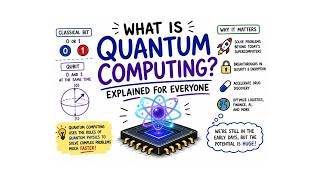
How Is Quantum Computing Different From Classical Computing?

Powerful Processing: What Quantum Computing Is in Simple Terms

How Quantum Computing Augments AI Capabilities

Quantum Computing Accelerates Complex Scientific Simulations

What Is Quantum AI, and How It Converges with AR in 2026

What Quantum Computing's Potential and Hurdles Mean for Business
Quantum Computing Status Current Limitations and Future Potential

How Does Quantum Computing Threaten Bitcoin Security?

What Are Current Limitations of Quantum Computing?

Shor's Algorithm: Quantum Threat to Bitcoin's Cryptography

Quantum Hardware: The Engineering Roadblocks to Scalable Qubits

Quantum Computing Commercialization Uses Cloud Simulators for Access

What Problem Did Google's Willow Chip Solve? Why It Matters

Quantum Computing for Developers Demands New Programming Logic

What Quantum AI Is Used for in LLM Training

How Does Superposition Work in Quantum Computing

Hybrid Quantum Systems Integrate Classical and Quantum Processors

What Is Google's Quantum Computer Used for Beyond Speed?
Frequently Asked Questions
How often are new articles added?
Most days. The system publishes a few new articles a day, usually two or three, each answering a question people actually search for.
Are the source videos free to watch?
Yes. Every article links to the creator's original video on YouTube, and it is free to watch.
Can I save articles to read later?
Yes. Click 'Save' under any article and it is added to your Read later list in the sidebar. The list lives in your browser only; nothing is sent anywhere.