The Ultimate Guide to AI Video Tools
What AI video tools can and cannot do yet - the main types, how to get usable results, and where the technology is heading for creators and businesses.
AI video moved fast from strange, flickering clips to genuinely usable footage. It is not yet a button that produces a finished film, but it already changes how creators and businesses make video. This guide covers the main types of tools, how to get results you can actually use, and where the technology is heading.
The main categories
AI video splits into a few groups. Text-to-video generates clips from a description, useful for b-roll, concepts, and short sequences. Avatar and presenter tools turn a script into a talking person on screen, popular for explainers, training, and localised ads. Voice and dubbing tools create voiceovers or translate a video into another language while keeping the timing. And AI editing tools speed up the unglamorous work: cutting silences, adding captions, reframing for different platforms, and cleaning audio.
Most real projects mix these. A creator might generate b-roll, add an AI voiceover, and use an editing tool to assemble the final cut.
Getting usable results
The gap between a bad AI video and a good one is mostly direction. Write a clear, specific prompt or script - vague input gives generic output. Generate more than you need and select the best takes, the way a director would. Keep individual shots short, because consistency across long sequences is still the weak point. Then edit: the tools give you raw material, and a human still shapes pacing and story.
Treat the AI as a fast production assistant, not a finished studio. The people getting strong results are the ones who bring taste and editing judgment to what the tools produce.
Where it works best today
AI video is already strong for short-form social clips, product and explainer videos, localisation into other languages, and rapid concept mockups. These are cases where speed and cost matter more than perfect realism, and where short lengths hide the consistency problem.
It is weaker for long, continuous scenes, precise brand-critical work, and anything that depends on subtle human emotion. The technology is closing those gaps quickly, but honest results today still lean on editing and human oversight.
What to watch
Two trends are worth tracking. Consistency is improving - tools are getting better at holding a character or style across shots, which is the main thing standing between short clips and full scenes. And the tools are combining, so generation, voice, and editing increasingly happen in one place rather than across five apps. As that continues, the barrier to producing decent video keeps dropping, and the edge shifts back to ideas, story, and taste.
Common mistakes
The first is expecting a finished video from one prompt - the tools produce material, not masterpieces. The second is skipping the edit, which is where rough output becomes something worth watching. The third is ignoring rights and disclosure: know the terms of the tool you use, and be honest with your audience about AI-generated content.
The videos below show these tools in real use, from quick tests to full workflows. Watch how creators combine them, then borrow the parts that fit what you want to make.
The numbers in this guide are a snapshot of the archive as of July 2026; the archive itself keeps growing.
Articles in this guide
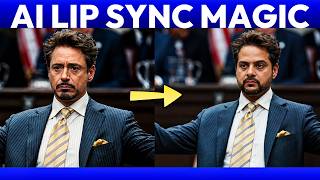
How does AI video face swap technology actually work?
How AI Video Apps Change Digital Identity Verification
Explaining How AI Videos Generate Realistic Scenes
How AI Video Quality Changes Digital Content Creation

AI Video Creation Explained: Process and Pitfalls

AI Video Generator Usage: Mastering Free Text-to-Video Tools
What an AI Video Generator Is and How It Works
What AI Video Makers Mean for Visual Storytelling

How AI Video Filters Mean Greater Clarity for GeForce NOW Users

What Are AI Videos Called, and How Do They Work?

AI Video Generators Harness Text to Create Cinematic Video

What Is Fed Policy Doing Amid the AI Investment Boom?

Coldcard Flaw: $100M Bitcoin Theft From Hardware Wallet Firmware

How Long Do Bitcoin Cycles Last with a Four Year Pattern

Anthropic Claude Computer Use Reshapes AI Agent Competition
OpenAI's ChatGPT Image 2: Generative AI Converges Text and Visuals

Why Is the US Middle Class Shrinking Today

What Open Source AI Agents Mean for Developers

What Is Windows 10 Extended Support?

Do Free AI Video Generators Truly Lower Creation Barriers?

What Are Free AI Content Creation Tools for Video?
What Causes AI Misalignment
VR Hand Tracking Reduces Friction to Accelerate Mainstream VR Adoption
What SLAM Means for Anchoring Augmented Reality Objects

How to Use AI Tools to Make Compelling Video Content

How to Get Free Unlimited No Watermark Meta AI Video Generation

What Is Meta AI Used for in Images and Video?

How Are AI Influencers Created From Prompt to Persona
Can Free Google NotebookLM AI Automate Your YouTube Workflow?

How Is Alibaba's AI Reshaping Competition Between Firms?
Local AI Video Generation: How to Make Private AI Videos on Your PC
How Does Google Flow AI Video Platform Pricing Democratize Creation?
Frequently Asked Questions
Can AI make a full video from text?
It can generate short clips and rough sequences from a description, and the quality keeps improving. Full, coherent long-form video still needs human direction, editing, and cleanup.
Do I need editing skills to use these tools?
Less than before, but some judgment helps. The tools handle generation and rough cuts; you still decide pacing, story, and what looks right.
Are AI voices and avatars good enough to use?
For explainers, ads, and localisation, often yes. For anything needing real emotion or brand voice, test carefully - the gap shows most in longer, more human moments.
What is the biggest limitation right now?
Consistency. Keeping a character, style, or scene stable across a longer piece is still hard, which is why most strong results are short or heavily edited.
