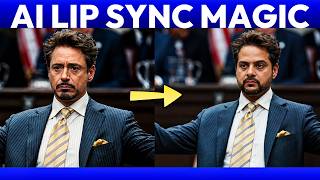
Artificial intelligence is rapidly transforming content creation, and AI video generation stands as a compelling example. At its core, generating AI videos involves leveraging advanced machine learning models to synthesize visual sequences from user-provided inputs, typically text descriptions or static images. This process moves through complex computational stages, translating abstract ideas into dynamic visual narratives that can range from simple animations to intricate cinematic scenes. Understanding the mechanics, practicalities, and common misconceptions surrounding this technology is vital for anyone engaging with the evolving digital media landscape.
The Algorithmic Engine: How AI Videos Are Generated
The fundamental answer to “how are AI videos generated” lies in generative AI models, predominantly diffusion models and, historically, generative adversarial networks (GANs). These models operate by learning patterns, movements, and aesthetics from immense datasets of existing videos and images. When a user inputs a text prompt, such as “a futuristic cityscape at sunset with flying cars,” the AI system interprets this language semantically. It then translates that interpretation into a latent space representation, an abstract mathematical understanding of the requested visuals. For text-to-video, the AI generates a sequence of frames, ensuring continuity and motion between them. For image-to-video, it takes a base image and animates it according to specified movements or styles, creating a moving sequence from a still picture.
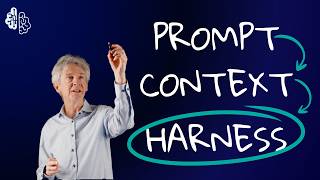
This process is highly iterative. Diffusion models, for instance, start with a “noisy” or chaotic visual representation and progressively refine it, removing noise layer by layer, guided by the input prompt, until a coherent video emerges. Each step of this refinement is a probabilistic prediction, informed by the model’s training data on what similar concepts look like in motion. The quality and specificity of the output depend heavily on the input prompt. This highlights the growing importance of prompt engineering—the art and science of crafting detailed, effective instructions for AI systems. A poorly constructed prompt leads to vague, inconsistent, or nonsensical results, while a meticulously engineered prompt can direct the AI to produce remarkably specific and high-quality content. Developing this skill can significantly enhance productivity, much like Master Prompt Engineering in 29 Min for 2025 AI Productivity suggests for broader AI applications. The computational demands for generating high-resolution, long-duration, or intricate AI videos are substantial, requiring powerful GPUs and sophisticated algorithms to render these complex visual sequences efficiently.
Practicalities: Cost, Quality, and Real-World Limitations
While the appeal of “free and unlimited” AI video generation tools is strong, the reality is more nuanced. Many platforms offer free tiers or trials to attract users, but these often come with strict limitations on generation time, resolution, the number of outputs, or access to advanced features. True high-quality, long-form video generation typically requires a paid subscription or a credit-based system, reflecting the significant computational resources involved. These platforms often queue free users, leading to longer wait times, whereas paying users receive priority access and faster rendering. Discrepancies between advertised “free” usage and actual practical limitations are a common point of contention, impacting user expectations and the perceived value of these tools.
Output quality also varies widely. Simple, short clips with basic motion can be generated with relative ease. Producing cinematic-quality videos with complex character interactions, precise emotional expressions, or consistent narrative arcs remains a considerable challenge for current AI systems. Issues like visual artifacts, inconsistent character appearances across frames, or illogical movements are not uncommon. Users often encounter generation errors or download issues, necessitating retries or prompt adjustments. This requires a level of patience and iterative refinement from the creator, where the AI serves as a powerful assistant rather than a fully autonomous director. The ability to generate horizontal videos, often preferred for professional or YouTube content, is now a standard feature in many tools, but achieving high fidelity still demands careful prompt construction and sometimes post-production editing. The integration of AI into various industries, from content creation to finance, brings new pressures and capabilities; for instance, Fintech AI Pressures Traditional Wealth Management highlights similar transformative impacts in a different sector.
Where People Get AI Video Generation Wrong
One of the most significant misconceptions about AI video generation is the belief that it is a magic button producing perfect, ready-to-use content with minimal effort. While the technology is powerful, it still functions as a tool that requires skilled human input and oversight. Expecting a single, simple prompt to yield a Hollywood-grade animated sequence is unrealistic. Creators often misunderstand the iterative nature of the process, which involves careful prompt refinement, selection of optimal generated segments, and often combining AI-generated elements with traditional editing techniques. The human element, including creative direction and critical judgment, remains indispensable for producing truly impactful video content. AI, in this context, augments human creativity rather than replaces it.
Another critical area of misunderstanding revolves around the ethical implications and authenticity of AI-generated video. The ease of creating realistic but fabricated video content, known as deepfakes, raises serious concerns about misinformation and trust. Distinguishing AI-generated content from genuine footage becomes increasingly difficult, eroding public confidence in visual media. The need for robust verification systems and media literacy has never been more pressing. Just as Zero Trust Security Shrinks Enterprise Network Attack Surfaces emphasizes verifying all interactions in cybersecurity, a similar approach becomes necessary for verifying the authenticity of digital media. Furthermore, the copyright and intellectual property implications of AI models trained on vast amounts of existing content are still largely unresolved, creating a complex legal landscape for creators and platforms alike. As AI continues to integrate into tools like How Gemini AI Changes Google Drive for Intelligent File Management, its capabilities expand, but so do the considerations around its responsible and transparent use.
Where This Lands
AI video generation represents a profound technological advancement that democratizes access to complex visual content creation. It has already begun to reshape workflows for marketers, content creators, and artists, enabling rapid prototyping and scaling of video production. However, it is not a set-and-forget solution. The technology’s efficacy remains deeply tied to the skill of the user in prompt engineering, their understanding of the AI model’s capabilities and limitations, and their willingness to engage in iterative refinement. The notion of “free and unlimited” often serves as an introductory enticement, masking the real costs of high-fidelity output. Most importantly, the rapid proliferation of AI-generated video demands a heightened awareness of its ethical dimensions, particularly concerning authenticity and potential for misuse. As AI models continue to evolve in sophistication, the challenge will be to harness their creative power responsibly, ensuring that innovation serves genuine human expression while upholding integrity and trust in digital media.