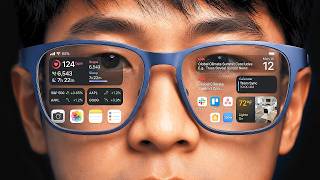
As advanced computational frameworks continue to redefine digital capabilities, from sophisticated enterprise AI systems to immersive user experiences, augmented reality (AR) stands out for its unique ability to transform static content. AR overlays digital information onto physical illustrations, effectively bringing two-dimensional images to life with interactive animations, sounds, and 3D models.
This process involves a device, typically a smartphone or tablet camera, recognizing a specific visual marker or pattern on a static illustration. Once identified, the AR application processes this visual data and renders virtual content directly onto the live camera feed, creating the illusion that digital elements exist within the physical space of the illustration. The technology behind this works by combining computer vision, real-time rendering, and spatial tracking to accurately position and orient virtual objects relative to the real world. This transforms a flat image into a window to an interactive digital experience, making the previously inert object responsive and engaging.
Augmented Reality: Transforming Static Visuals
Augmented reality fundamentally changes static illustrations by adding layers of digital interaction, turning passive viewing into an active experience. Readers can tap, swipe, or zoom on virtual elements, triggering further animations, accessing additional information, or even navigating through interactive narratives. This capability has profound implications across various sectors. In education, textbooks come alive with animated diagrams and historical figures speaking directly from the page. Marketing campaigns can transform product packaging into interactive showcases, allowing customers to visualize items in their homes or access supplementary content. Art installations gain new dimensions, offering viewers personalized interpretations or hidden layers of meaning. The original intent behind AR was always to change how we perceive and interact with our world, extending human perception beyond its natural limits, a vision explored further in works like Why Was Augmented Reality Invented to Change How We See the World?.
Implementing AR experiences for static illustrations is not without its costs and complexities. Development requires specialized skills in 3D modeling, animation, software development, and user experience design. The technical overhead includes creating precise markers, optimizing 3D assets for mobile performance, and ensuring reliable tracking across different lighting conditions and devices. Financial investment can range from moderate for simple overlays to significant for highly interactive or data-rich applications. Furthermore, ongoing maintenance and updates are necessary to ensure compatibility with new operating systems and devices, adding to the long-term cost of ownership.
Common pitfalls often undermine AR initiatives. Many projects fail by focusing solely on the novelty of the technology without a clear value proposition for the user. A poorly designed AR experience, where digital elements do not align correctly or interactions feel clunky, quickly frustrates users. Overlooking the importance of intuitive user interfaces and robust technical performance can lead to rapid abandonment. Moreover, content must integrate meaningfully with the static illustration rather than appearing as a disconnected afterthought. Effective execution demands a strategic approach to design and a deep understanding of user engagement, similar to how Master Prompt Engineering in 29 Min for 2025 AI Productivity emphasizes the need for skilled interaction with complex systems for optimal output.
The Bottom Line
Augmented reality provides a powerful avenue for transforming static illustrations into dynamic, interactive canvases. Its ability to layer digital content onto physical objects opens new possibilities for engagement, education, and commerce. While the initial appeal lies in the “wow” factor, sustainable value comes from thoughtful design that prioritizes user experience and delivers genuine utility. The investment in skilled development and robust infrastructure is substantial, but the payoff can be significant for businesses and creators willing to move beyond basic digital overlays. As other technological advancements, such as intelligent information management explored in How Gemini AI Changes Google Drive for Intelligent File Management, reshape how we interact with data, AR continues its trajectory in revolutionizing visual content, blending our physical and digital worlds with increasing sophistication.