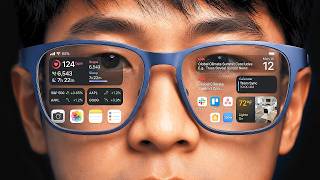
Augmented reality places digital information directly into your view of the physical world. It merges virtual elements with real environments in real-time, giving the impression that digital objects are physically present with you.
What Augmented Reality Means
Augmented reality (AR) integrates virtual content, like images, sounds, and interactive elements, directly into a user’s perception of the real world. Unlike virtual reality (VR), which creates an entirely immersive digital environment, AR layers digital information over physical reality. This means users remain fully aware of their actual surroundings while seeing or interacting with computer-generated enhancements. The core idea is to enrich reality, not replace it.
When someone asks “what is augmented reality mean,” they are inquiring about a technology that bridges the gap between the physical and digital. Imagine pointing your phone at a street and seeing digital arrows overlaid on the pavement guiding you to a destination, or trying on virtual clothes that appear on your body through a screen. These are everyday examples of AR. More advanced applications use specialized hardware, such as smart glasses, to project digital displays directly into a user’s field of vision. These devices can offer a perceived screen size much larger than any physical monitor, potentially creating a 160-inch virtual display that floats in your view, as seen with some next-generation micro-OLED smart glasses. This ability transforms how individuals consume media or interact with multiple digital workspaces. For a broader look at practical implementations, explore What are common augmented reality applications?.
How It Works
Augmented reality functions by using a combination of hardware and software to capture the real world, process it, and then display digital information back to the user in a contextually relevant way. At its foundation, an AR system needs several key components.
First, a camera captures the real-world environment. This camera can be part of a smartphone, a tablet, or embedded in specialized AR glasses. The captured video feed is then sent to a powerful processor, which analyzes the scene. This analysis involves understanding the physical space, identifying surfaces, tracking movement, and recognizing objects or markers. Modern AR systems use computer vision algorithms, often powered by artificial intelligence, to perform these tasks with high accuracy.
Next, a display component renders the digital content. In smartphones, this is the device screen. For AR glasses, micro-displays project images directly onto transparent lenses or small screens in the user’s periphery. These displays must be bright enough, sometimes reaching 6000 nits, to ensure virtual objects are visible even in brightly lit environments. A high refresh rate, such as 120Hz, ensures smooth motion and reduces motion sickness during interactive experiences. The system then precisely aligns the rendered digital content with the real-world view, making virtual objects appear fixed in space and interact realistically with the environment. Positional tracking, using sensors like accelerometers, gyroscopes, and magnetometers, continuously monitors the user’s head and body movements, updating the digital overlay in real-time to maintain this illusion. Some AR platforms also integrate AI agents, similar to how How Gemini AI Changes Google Drive for Intelligent File Management enhances productivity by interacting with data. This allows AR applications to understand context and respond intelligently.
Who It’s For
Augmented reality serves a broad spectrum of users, from casual consumers to highly specialized professionals, though its utility varies significantly depending on the application and hardware. For everyday users, AR often manifests through smartphone apps. These apps bring games, filters for social media, and practical tools like virtual furniture placement into living rooms. The accessibility of AR on mobile devices makes it a widely adopted technology for quick, engaging interactions.
Beyond mobile, dedicated AR glasses target specific use cases. Gamers and media enthusiasts can benefit from lightweight devices that offer large, high-fidelity virtual screens for immersive experiences without the isolation of VR. The ability to use a headset as a portable “replacement monitor” appeals to productivity-focused individuals, allowing them to carry multiple large screens wherever they go. Professionals across various sectors also find AR invaluable. Architects can visualize designs on-site, surgeons can overlay patient data during operations, and field technicians can receive interactive repair instructions projected onto equipment. The convergence of AI and AR can further enhance these professional tools, much like Master Prompt Engineering in 29 Min for 2025 AI Productivity refines interaction with AI systems.
However, not everyone benefits equally. Early adopter costs for advanced AR glasses can be high, limiting broader consumer access. The technology still faces challenges in field of view, battery life, and social acceptance. Many early AR experiences can feel gimmicky or lack sustained utility. Users seeking a fully isolated, virtual experience are better served by VR. Furthermore, while AR offers significant potential for enterprise solutions, its integration requires substantial investment in infrastructure and software development, a trend also seen as Fintech AI Pressures Traditional Wealth Management.
The Bottom Line
Augmented reality represents a foundational shift in how people interact with digital information and the physical world. It layers computer-generated enhancements onto real environments, offering an enriched experience without fully disconnecting users from their surroundings. While everyday AR is widely available through smartphones, more advanced applications delivered via dedicated glasses push the boundaries of productivity, entertainment, and professional assistance. The technology’s cost, current hardware limitations, and still-evolving user interfaces mean it is not a universally perfect solution for every scenario or user. Nonetheless, AR continues its steady progression, promising increasingly integrated and natural ways to blend digital data with daily life. Understanding its capabilities and limitations helps users discern its genuine value from its lingering hype.