Augmented reality fundamentally enhances the e-commerce experience by transforming passive product viewing into active, immersive engagement. It bridges the gap between digital showcases and the physical world, allowing consumers to interact with products in ways traditional photos or videos cannot match, thereby increasing confidence and reducing buyer’s remorse.
The shift in online retail underscores a critical evolution in consumer expectations. Static product images, once sufficient, now fall short in conveying the full scope of an item. Modern e-commerce increasingly demands interactive product experiences that go beyond mere visual representation. This is where technologies like 3D product visualization, Augmented Reality (AR), Artificial Intelligence (AI), and virtual try-on converge to create a more compelling customer journey. These innovations directly address shopper concerns about whether an item will fit their space, suit their style, or meet their functional needs, fostering a stronger connection between product discovery and the final purchase.
Augmented Reality Transforms Product Discovery and Confidence
Augmented reality directly addresses the limitations of traditional online merchandising by layering digital information onto the real world. This capability allows customers to experience products with unprecedented realism before committing to a purchase. One of AR’s most impactful applications is AR visualization in the customer’s own space. Imagine browsing for a new sofa: instead of guessing its dimensions from a photo, AR allows you to project a 3D model of that exact sofa into your living room, scaled accurately, using your smartphone or tablet camera. This provides an immediate, tangible understanding of size, scale, and how the item complements existing decor. Similarly, a new rug can be “placed” on your floor, or a piece of wall art can be previewed on your wall, offering a comprehensive view that static images simply cannot convey.
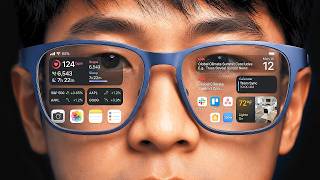
This level of interaction directly contributes to buyer confidence and engagement. When shoppers can visualize a product in their personal environment, uncertainties about fit and aesthetic compatibility are significantly reduced. The technology empowers consumers to make more informed decisions, mitigating the risk of dissatisfaction and subsequent returns. This transformation is not limited to large items. For instance, in the fashion and jewelry sectors, virtual try-on capabilities allow users to virtually wear clothing, glasses, or accessories. An AR app can overlay eyewear onto a user’s face in real-time, providing an accurate representation of how the frames look and fit. This interactive approach helps shoppers better understand size, scale, style, and fit, forging a stronger path from initial interest to a confirmed purchase. As Vizbl points out in a 9-minute webinar, these interactive product experiences are reshaping how customers shop online across a wide array of categories, from furniture to fashion.
Beyond Static: Visual Commerce and AI-Powered Experiences
The move towards augmented reality is part of a broader trend known as visual commerce, which focuses on delivering rich, engaging visual content to enhance the shopping experience and improve conversion rates. Visual commerce, powered by AR and 3D modeling, moves beyond simple photography to create dynamic product presentations. By offering tools like 3D product visualization, online retailers give customers the ability to rotate, zoom, and inspect products from every angle, uncovering details that might be missed in a flat image. This capability is particularly beneficial for complex items or products with intricate designs, providing a comprehensive understanding that fosters trust.
AI-powered shopping experiences further amplify the impact of AR. While AR handles the visualization, AI can personalize recommendations, suggest complementary products, or even offer styling advice based on a user’s virtual try-on results or spatial visualizations. For example, after “placing” a lamp in their living room via AR, an AI system could suggest matching side tables or wall art. This synergy between AR and AI creates a highly tailored and intuitive shopping journey, leading to increased customer satisfaction and loyalty. Companies specializing in these solutions, such as Vizbl, assist brands and retailers in converting traditional static product pages into interactive shopping experiences across diverse sectors. Their work spans categories like furniture, lighting, rugs, flooring, wall art, fashion, jewelry, and eyewear, demonstrating the wide applicability of these technologies. The adoption of Android Augmented Reality: How People Use ARCore on Mobile Devices showcases how widely accessible these immersive tools are becoming for everyday consumers. Understanding Augmented Reality Uses Computer Vision to Layer Digital Objects provides insight into the underlying technology enabling such sophisticated interactions.
Where This Lands
The trajectory of e-commerce points definitively away from static presentations and toward dynamic, interactive content. Augmented reality is not merely an optional feature but an essential component for any online retailer aiming to capture and retain modern consumers. By empowering shoppers to virtually interact with products, whether through visualizing an item in their home or trying on accessories, AR dismantles the traditional barriers of online shopping—lack of tactile experience and uncertainty about how a product will truly appear. This direct enhancement of the user experience translates into tangible business benefits: higher buyer confidence, reduced product returns, and improved conversion rates. For businesses looking to differentiate themselves and meet the evolving demands of digital consumers, investing in AR visualization and its complementary technologies like 3D product visualization and AI is no longer a luxury, but a strategic imperative. The future of online retail is inherently visual and interactive, driven by augmented reality’s capacity to bring products to life in the customer’s world.