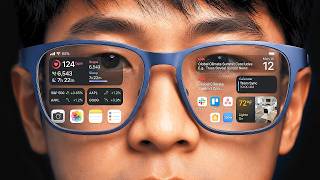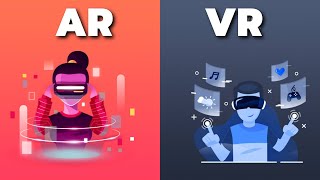
Augmented Reality (AR) integrates digital information directly into our physical world, overlaying virtual content onto real-world views. This differs fundamentally from Virtual Reality (VR), which creates entirely simulated environments, immersing users in a digital space separate from their physical surroundings. While AR enhances our perception of reality, VR replaces it. AR is not science fiction; it is a technology already impacting our lives and poised for widespread adoption, much like the internet and mobile phones transformed communication.
What is Augmented Reality?
Augmented reality works by adding digital layers to our existing reality, allowing us to interact with information without disconnecting from the physical world. Early devices like Google Glass demonstrated this core concept: a wearable computer that projects digital information into the user’s field of vision. This allows for real-time data overlays, offering new ways to interact with information. The promise of AR lies in its ability to integrate digital data directly into our physical perception, offering real-time insights for performance and a profound avenue for shared understanding.
Distinguishing AR from Virtual Reality
To fully appreciate augmented reality, it helps to understand its distinction from virtual reality. Virtual reality systems, exemplified by devices like the Oculus Rift, completely immerse a user in a computer-generated world. When experiencing VR, a user might feel the intense fear of a roller coaster ride, believing they are truly in that simulated environment. The physical world around them is entirely blocked out, replaced by digital sights and sounds.
In contrast, augmented reality maintains the user’s connection to their physical surroundings while adding digital layers. Imagine seeing a digital map overlaid onto a street view through a pair of smart glasses, or receiving real-time instructions projected onto a piece of machinery you are working on. AR supplements reality; VR substitutes it. This distinction is vital for understanding the different applications and potentials of each technology.
AR in High-Stakes Environments: Professional Sports
Professional sports, particularly football, offer a compelling early application of augmented reality, driven by the desire to win and the significant financial incentives involved, reaching billions of dollars annually. Historically, technology has consistently been adopted to improve game speed and entertainment. In 1965, the Baltimore Colts introduced wristbands for quarterbacks to call plays faster, contributing to their Super Bowl victory that year and leading other teams to follow suit. By 1994, headsets were integrated into helmets for quarterbacks and later defenders, again speeding up play and enhancing the spectator experience. AR represents the next evolution in this trend.
For players, AR can transform how they access critical information. Imagine a player returning to the huddle in 2023, and their next play is displayed directly on their visor. This eliminates the need to memorize complex playbooks or carry physical notes, allowing players to focus entirely on the game. This real-time information delivery is highly sought after by coaches, as missed assignments often lead to lost games and, consequently, job insecurity for coaches.
Beyond play calls, AR can provide an unprecedented level of sensory communication and tactical awareness. Early experiments with devices like Google Glass under a helmet aim to give users the sensation of being a professional athlete on the field, experiencing the blood pounding in their ears while running at 100 miles per hour, or the impact of a 250-pound opponent charging towards them. This immersive perspective, initially explored for fan engagement using tools like GoPro and Google Glass, translates directly into performance enhancement for athletes.
Real-time Insights and Performance Enhancement
The true power of AR in sports lies in its ability to process vast amounts of data in real-time and deliver actionable insights to players. This involves a sophisticated setup: cameras positioned in each corner of a stadium provide an overhead view of the entire field, while helmet sensors and accelerometers gather specific player data. This technology, currently under development, aggregates all this information and streams it to players. The key differentiator between successful and unsuccessful teams will be their ability to deliver this data in a usable format, avoiding information overload. The role of the IT department, therefore, becomes as critical as scouting and data analysis.
Consider a quarterback dropping back to pass. An AR system could project a flashing indicator on their visor, alerting them to an unseen defender rushing from their blind side. As they adjust, another flash might highlight an open receiver. Even if the pass is tipped or off-target, the receiver’s AR display could illuminate a specific patch of grass where they need to adjust to catch the ball, turning a potential incomplete pass into a game-changing touchdown. This real-time feedback loop, integrating digital data directly into the player’s physical perception, enhances performance and creates a more dynamic, exciting game for both participants and spectators. Fans, too, could experience the game from multiple perspectives, feeling every step with their favorite player, further boosting engagement.
Beyond Entertainment: Fostering Empathy and Understanding
While the commercial value of AR in sports is undeniable, generating billions of dollars annually, its potential extends far beyond entertainment and profit. Augmented reality offers a unique pathway to enhance sensory communication and foster empathy across diverse human experiences. By literally showing someone what it is like to be in another person’s shoes, AR can bridge understanding gaps that traditional communication methods struggle to address.
Imagine a teacher using AR to demonstrate to a disruptive student the impact of their actions from the victim’s perspective. Or consider the profound effect AR could have in allowing a person facing oppression, such as a gay individual in Uganda or Russia, to convey the realities of their daily struggles to a global audience. This technology could allow users to experience life under such conditions, fostering a deeper, more visceral understanding of their plight.
Furthermore, AR holds the promise of inspiring future generations. Imagine children experiencing the wonders of space through the eyes of an astronaut like Chris Hadfield or Neil DeGrasse Tyson, seeing scientific concepts come to life around them. This immersive learning could shift focus from mundane quarterly reports or celebrity culture towards a greater interest in space and science. The fundamental question is whether humanity will limit AR to mere enjoyment and consumption, or if it will be leveraged for more profound societal benefit.
The Path Forward: Ethical Considerations
Augmented reality is rapidly approaching, and its transformative power is clear. The choices made today regarding its development and application will determine its ultimate impact. While its capacity to generate excitement and revenue in fields like professional sports is immense, the technology’s true long-term value lies in its potential to enhance sensory communication and foster empathy. The critical challenge remains in ethically scaling its capabilities for broader societal benefit. This involves careful consideration of how to manage information, prevent overload, and ensure equitable access, ensuring that AR serves to connect and enlighten rather than merely entertain or distract. The questions we ask, the choices we make, and the challenges we confront will, as always, define our future with this powerful technology.