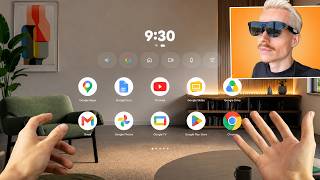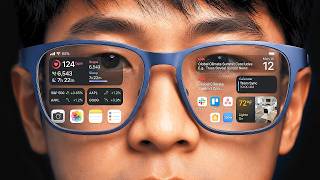
Samsung has introduced a new line of AI-powered smart glasses, marking its entry into the rapidly evolving wearable technology sector. These devices are deeply integrated with Google’s Gemini AI, offering users a hands-free, intelligent assistant experience designed to streamline daily tasks and interactions. This move positions Samsung as a direct competitor to existing smart eyewear, particularly Meta’s offerings, by emphasizing advanced “agentic” capabilities.
The Power of Agentic AI in Wearables
The core innovation behind Samsung’s new intelligent eyewear lies in its integration with Google’s Gemini AI. This partnership enables what is described as “agentic” artificial intelligence, allowing the glasses to perform multi-step tasks and understand context in a way that goes beyond simple voice commands. Users can, for instance, ask their glasses to order a favorite coffee while on their commute or book a reservation at a restaurant they just passed, with the AI understanding the location and user preferences.
This hands-free functionality extends to various aspects of daily life. The glasses can search for information based on what the user sees, summarize meeting notes from a whiteboard and save them directly into Samsung Notes, provide step-by-step instructions for a recipe, or facilitate video calls through Google Meet. The goal is to minimize the need to pull out a smartphone, offering a more fluid and integrated digital experience throughout the day. The concept of “always-on intelligence” is also suggested, implying the AI could continuously gather contextual information to provide more relevant and personalized assistance, a feature that other companies in the smart glasses space have also been exploring.
Design and Daily Wearability
Recognizing that smart glasses must be both functional and fashionable, Samsung collaborated with prominent eyewear brands Gentle Monster and Warby Parker. The design philosophy centers on creating intelligent eyewear that feels like a natural extension of the user’s identity, rather than just a piece of technology. The glasses are crafted to resemble normal, stylish eyewear, a significant improvement over bulkier early smart glass designs.
A key focus was on comfort for all-day wear. The engineering prioritizes a lightweight construction, with the glasses being lighter than most comparable AI glasses currently available. This includes an integrated hinge design that blends into the frame, contributing to a clean silhouette and structural integrity without adding unnecessary bulk. While specific weight figures have not been released, the emphasis is on ensuring the glasses are comfortable enough to be worn continuously, addressing a common concern with wearable tech.
Powering Your Day: Battery Life and Ecosystem Synergy
A notable advancement in Samsung’s smart glasses is their extended battery life. The device offers up to 9 hours of use on a single charge, a duration designed to last through a full workday or extended outings. This surpasses the battery performance of some existing smart glasses on the market. Furthermore, the accompanying charging case provides more than 7 full charges, effectively extending the total usage time to up to 63 hours. This capability is particularly beneficial for users who may be away from wall chargers for extended periods, such as during travel or outdoor activities.
The glasses are engineered for deep integration within the Samsung Galaxy ecosystem. For users with a Galaxy Watch, the smartwatch can serve as a convenient control interface. Gestures like a double pinch can answer phone calls, while a tap can capture what the user is seeing through the glasses. All captured photos and videos flow into a dedicated album on a Galaxy phone, and AI-generated content can be seamlessly saved into Samsung Notes, calendar events, and reminders. While the glasses are designed to work with both Android and iOS devices, those within the Samsung and broader Android ecosystem are expected to experience the most comprehensive feature set and integration.
Capturing Moments and Enhancing Productivity
Beyond their AI capabilities, the smart glasses also function as a hands-free camera. A significant feature is the ability to capture photos and videos in horizontal orientation, addressing a common user preference and improving the usability of captured content. While specific megapixel counts or sensor details have not been officially disclosed, rumors suggest the camera may utilize Sony sensors, potentially offering image quality comparable to Meta’s Ray-Ban glasses.
The integration with the Samsung ecosystem further enhances productivity. The ability to save meeting summaries directly into Samsung Notes or use Google Meet for video calls expands the utility of the glasses beyond personal use into professional settings. This deep integration means that information gathered or created through the glasses can be immediately incorporated into the user’s existing digital workflow on their Samsung phone and other Galaxy devices.
Competing in the Smart Glasses Arena
Samsung’s entry into the AI smart glasses market sets the stage for intensified competition, particularly with Meta’s established offerings. Both companies provide stylish, camera-equipped glasses capable of taking calls and playing audio. However, Samsung aims to differentiate itself through its advanced agentic AI capabilities powered by Google Gemini, which is generally considered more capable and accurate than Meta’s current Muse Spark AI. The superior battery life and deep integration with the Samsung Galaxy ecosystem also present strong competitive advantages for Samsung users.
Despite these strengths, there are areas where Meta currently holds an advantage. Meta has made significant strides in developing accessibility features for the visually impaired, including apps like “Be My Eyes” and detailed environmental descriptions, even committing to donate 120,000 pairs of smart glasses to blind veterans. Samsung has yet to detail its plans for similar accessibility features.
Many specifics about Samsung’s new intelligent eyewear remain unknown. A precise release date beyond “this coming fall” has not been announced, nor have details regarding pricing, exact weight, camera specifications, prescription lens options, or whether the glasses will be available in different sizes. These unknowns will play a significant role in how the market perceives and adopts Samsung’s latest wearable technology. The increased competition, however, is expected to drive further innovation and faster development across the smart glasses industry.